



What Problem Are You Trying to Solve?
Click a problem below to explore possible solutions. We'll help determine the best approach for your process.
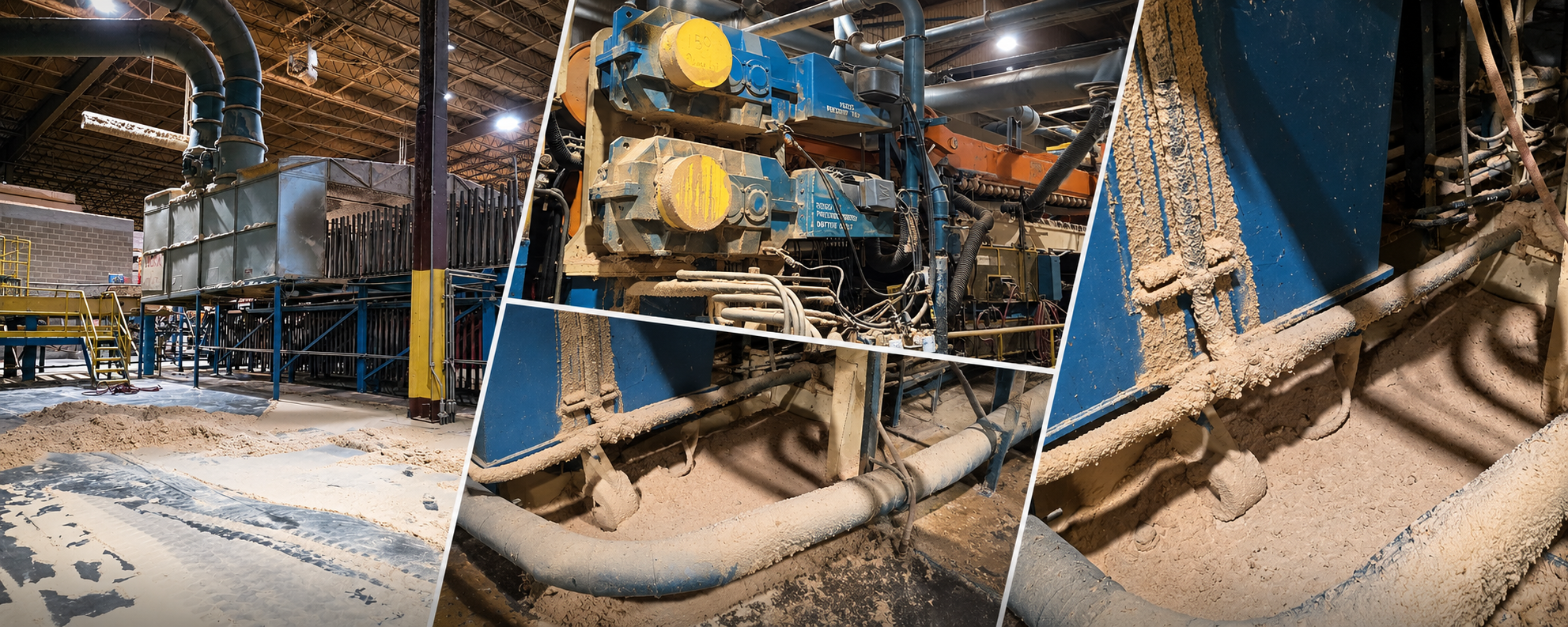
Dust Accumulation
Dust collecting on floors, equipment or overhead surfaces can indicate ineffective source capture, inadequate housekeeping, or a dust collection system that no longer matches the process.
Learn MoreAirborne Contaminants
Fine particles, dust or other contaminants remaining in the air can indicate ineffective source capture, inadequate filtration, or airflow that is allowing contaminants to migrate beyond…
Learn MoreCombustible Dust Hazards
Accumulated or airborne combustible dust can create fire and explosion risks when collection, housekeeping, ventilation, or protection measures do not adequately address the material…
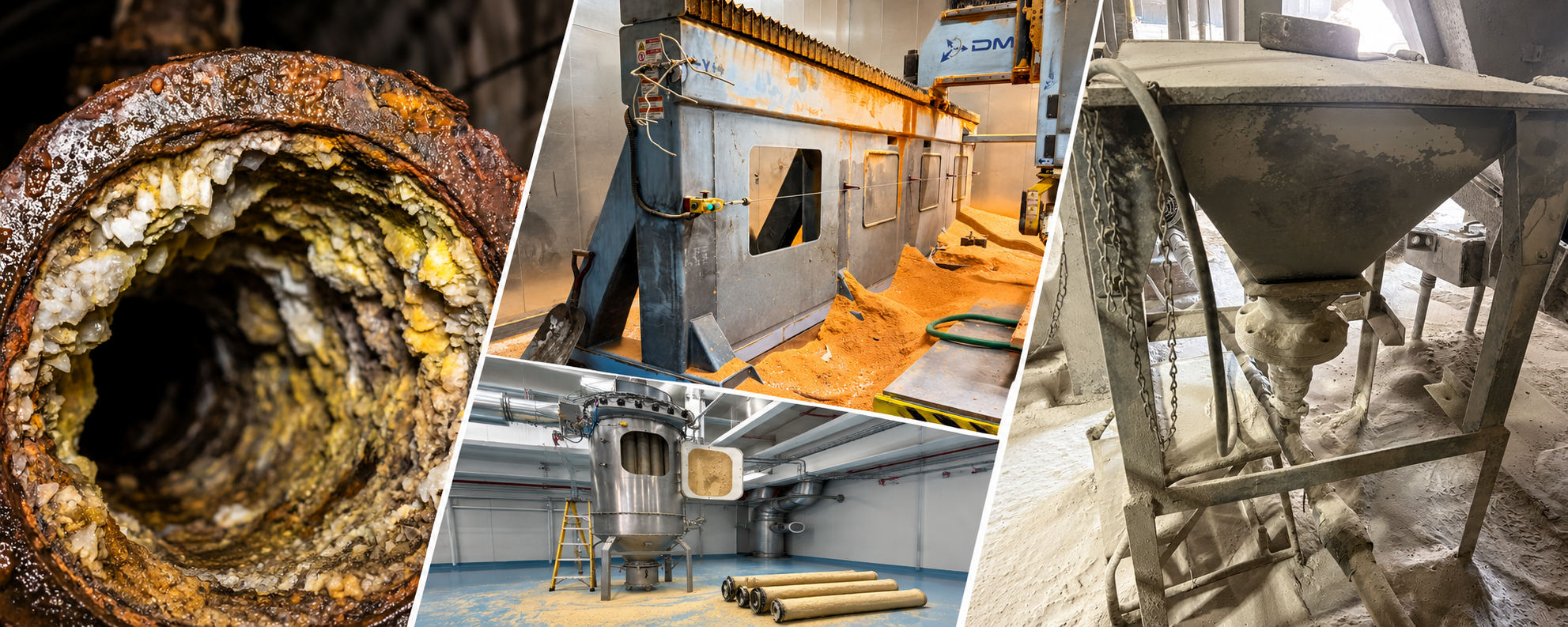
Learn MorePlugged Conveying Lines
Recurring blockages, material buildup or stalled product can indicate improper conveying velocity, piping configuration, material characteristics, or a system that no longer matches…
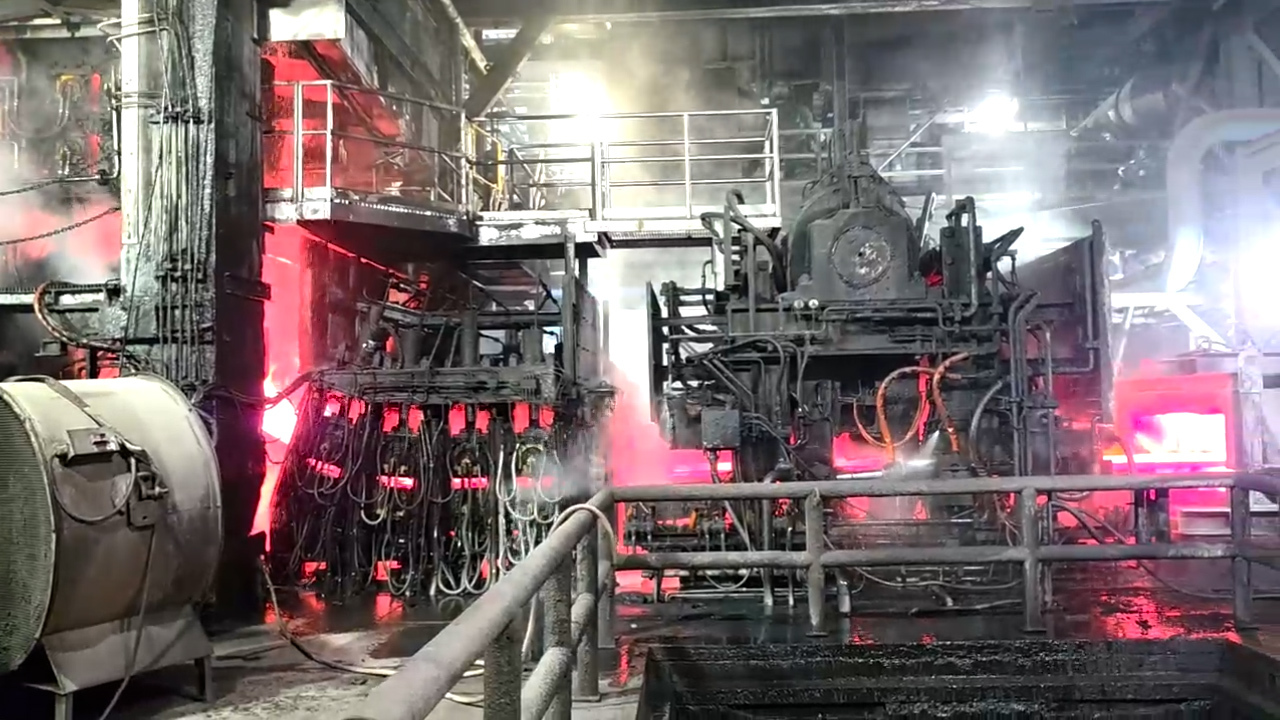
Learn MoreSmoke & Fumes & Odors
Visible smoke, process fumes or persistent odors can indicate that contaminants are not being captured effectively at the source or adequately treated before the air is exhausted or…
Learn MoreInconsistent Material Flow
Surging, uneven feed rates or unreliable material transfer can disrupt downstream processes and may indicate problems with conveying conditions, equipment sizing, controls, or material…
Learn MoreMaterial Loss & Waste
Valuable material ending up in waste streams, filters, containers or on the plant floor may represent an opportunity to capture, recover, reuse, or return material to the process.
Learn MorePoor Airflow & Ventilation
Dead zones, escaping dust, uneven capture or uncomfortable work areas can indicate an airflow imbalance, inadequate exhaust, poor source capture, or changes to the process that the…
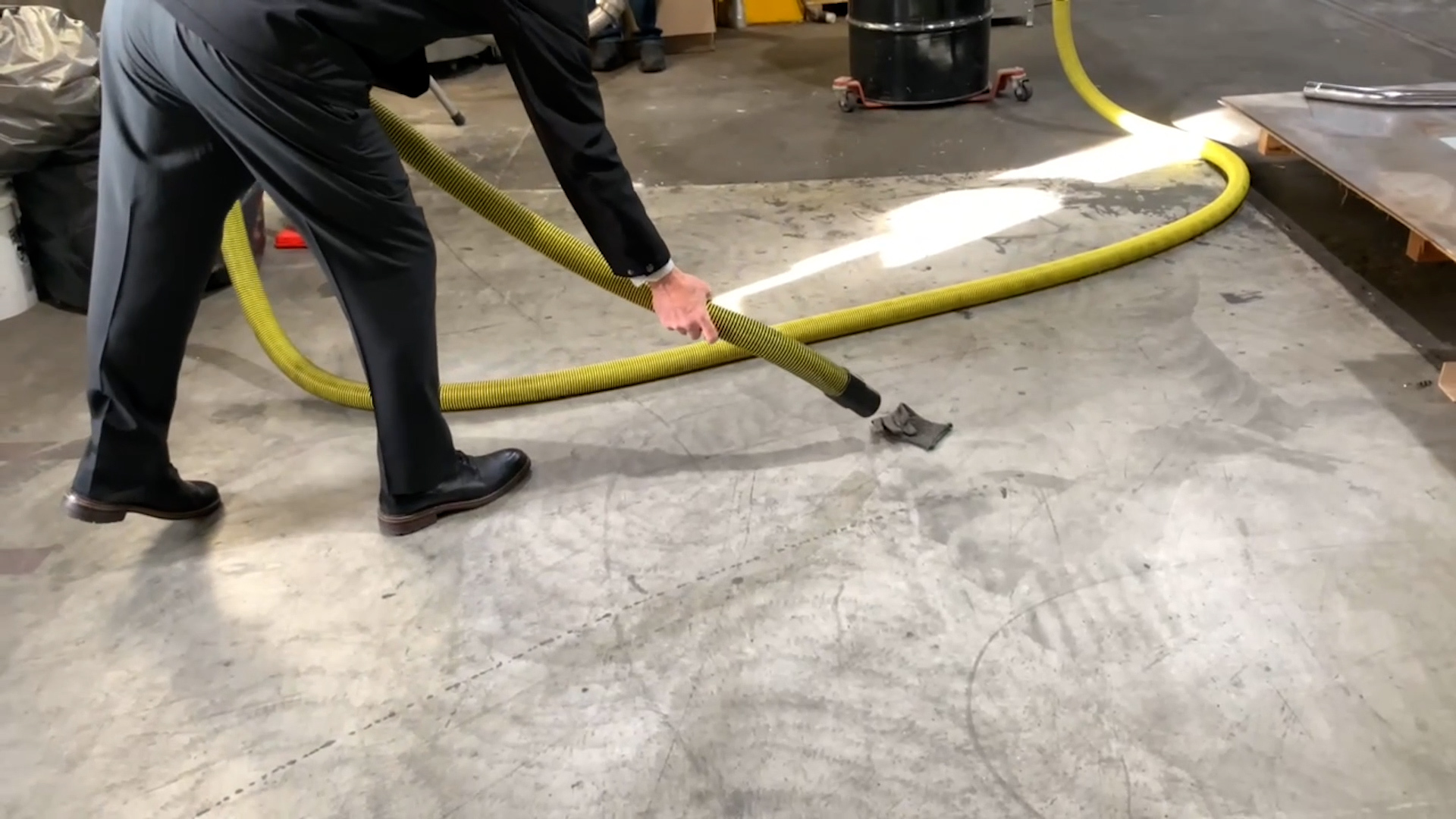
Learn MoreFrequent Cleaning & Maintenance
Excessive housekeeping, filter changes, equipment cleaning or system maintenance can be a sign that contaminants are being managed after they escape rather than captured effectively…
Learn MoreProduction Interruptions
Processes that must be stopped for cleaning, blockages, material handling or environmental issues can point to a system that is interfering with production instead of supporting it.
Learn MoreEnvironmental Testing Requirements MIL-STD-810
Processes that must be stopped for cleaning, blockages, material handling or environmental issues can point to a system that is interfering with production instead of supporting it.
Learn MoreEngineering Before Equipment
The most effective industrial air systems begin long before equipment is selected.
We evaluate your manufacturing process, material characteristics, facility layout, airflow requirements, utilities, environmental conditions, operator interaction, maintenance practices, and future production goals before designing a solution. That engineering-first approach helps facilities avoid the recurring problems that standardized equipment often cannot solve.

Trusted by Manufacturers for More Than Three Decades
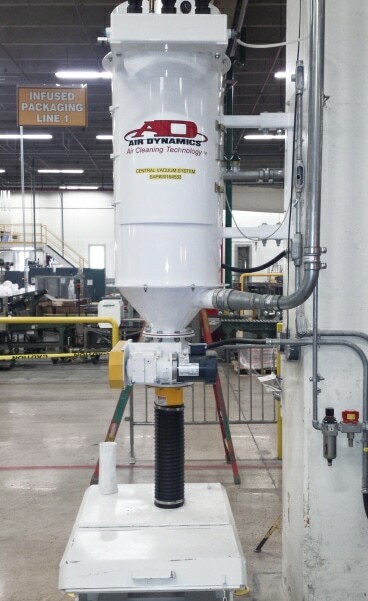
Since 1989, Air Dynamics has designed and manufactured custom air and particle control systems from our facility in York, Pennsylvania. With seven U.S. patents and experience serving organizations including Boeing, Lockheed Martin, MARS, and manufacturers across North America, we continue to engineer practical solutions for demanding industrial environments.
Let's Solve the Problem at Its Source
Whether you're planning a new facility, replacing aging equipment, or troubleshooting an existing system, our engineers can help identify the underlying cause and recommend the right solution.